- Type
- Lesson plan
- Subject
- Language Arts
- Grade
- Primary (Grades 3-5)
- Ages
- Ages 8-10
- Skills
- Communication
How can students work collaboratively to represent spelling conventions and grammar rules through the design of a virtual city?
Overview
Spelling and grammar conventions can often feel dry or challenging for primary students, yet mastering these skills is essential for reading fluency, text comprehension, and lifelong literacy. When learners are invited to represent language rules visually and contextually, they take greater ownership of their learning and engage with conventions in a more meaningful way.
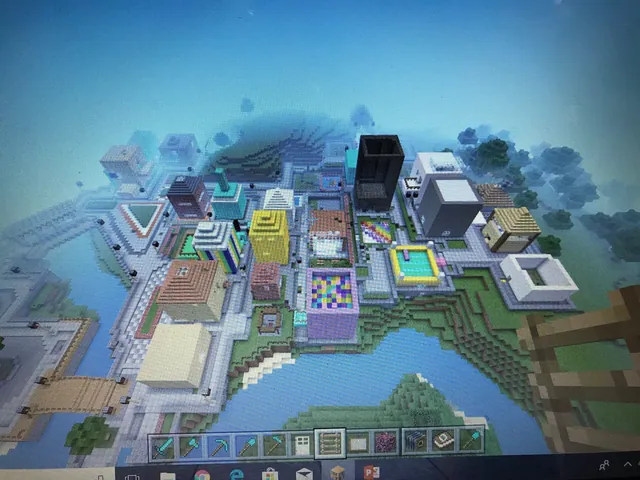
In this project, students work in teams to design and build a virtual city in Minecraft where each structure represents a distinct spelling rule or grammatical concept. After establishing shared infrastructure and building their themed locations, students write activities for each venue and act as coaches by guiding younger peers through their city.
Learning objectives
By the end of this lesson students will be able to:
- Apply spelling and grammar conventions within purposeful contexts and for an authentic audience.
- Construct multimodal structures within a virtual world that represent specific language rules.
- Demonstrate effective collaboration by planning city boundaries and sharing building responsibilities.
- Serve as spelling coaches by guiding younger peers through student-created learning activities.
Blocks and items used in this lesson


Key vocabulary
- Spelling conventions
- The accepted rules and standard patterns used to spell words correctly.
- Multimodal text
- A form of communication that combines different modes, such as written text, visual images, and spatial design.
- Infrastructure
- The basic physical systems and facilities of a community, such as roads, parking, and transit.
Before class
Lesson sequence
- Group Formation and Brainstorming
Students divide into small teams to brainstorm possible buildings for the city. Each team selects an element of spelling or grammar to represent, determines the visual style of their building, and proposes a location within the municipal plan.
- Master City Planning
All groups convene to create a shared outline for the city. Teams delegate internal roles, assign building plots to prevent overlapping onto other groups' sites, and plan shared infrastructure like roadways, transit, and civic buildings.
- Construction and Activity Design
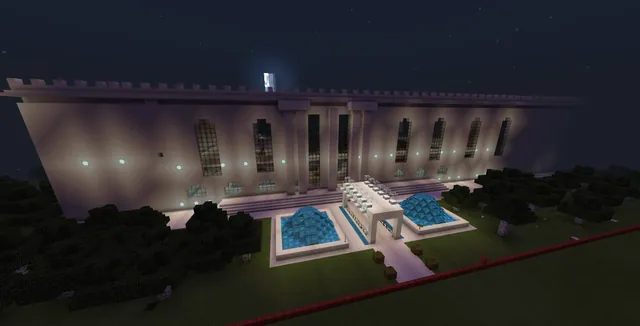
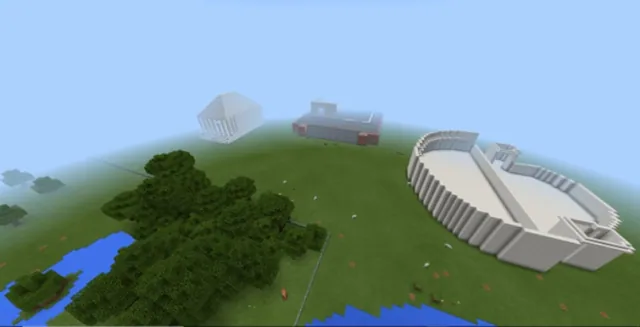
Students construct their assigned structures in Minecraft, giving them creative names such as the Spelling Rules Museum, Word Origins Coliseum, or Spelling Bee Stadium. Groups also design spelling or grammar tasks for visitors to attempt inside each venue.
- Guided Tours and Coaching
The completed city opens to younger classes. Students act as city guides and spelling coaches, leading their younger peers on interactive tours and demonstrating their understanding of language conventions.
Assessment: success criteria
- The student's building accurately illustrates and explains an assigned spelling or grammar concept.
- The student successfully collaborated with peers and respected shared city boundaries during construction.
- The student created an interactive spelling activity within their completed structure.
- The student clearly communicated language concepts to younger peers during the guided tour.
Differentiation
Provide struggling learners with a targeted list of familiar spelling rules and pre-planned building concepts to guide their design.
Encourage advanced learners to incorporate broader civic systems, such as courthouses and transit networks, while embedding more complex grammar challenges.
Knowledge check
5 questions to check understanding after the lesson. Tap an answer to see if it is right; the score appears at the end.
1What does each primary building in Spelling City represent?
Answer: B. Each building in the project is designed by students to represent a specific convention of spelling or grammar.
2Which school values were used to set behavior expectations during construction?
Answer: A. The project aligned digital collaboration directly with the existing rules of Respect, Responsibility, and Resilience.
3Who was invited to visit the city once building was complete?
Answer: C. Students opened the finished city to younger classes, serving as spelling coaches and tour guides.
4Which of the following was a student-suggested building mentioned in the project?
Answer: D. The Spelling Rules Museum was one of the creative building concepts generated by the students.
5Why did all groups meet together before beginning work in Minecraft?
Answer: B. Groups met to coordinate city layout and roles, ensuring that builders did not interfere with each other's construction sites.
Resources
- Lesson package (.zip)Everything the author attached to this lesson in one download.
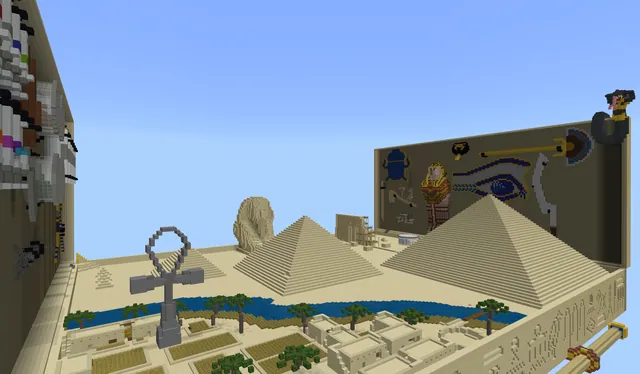
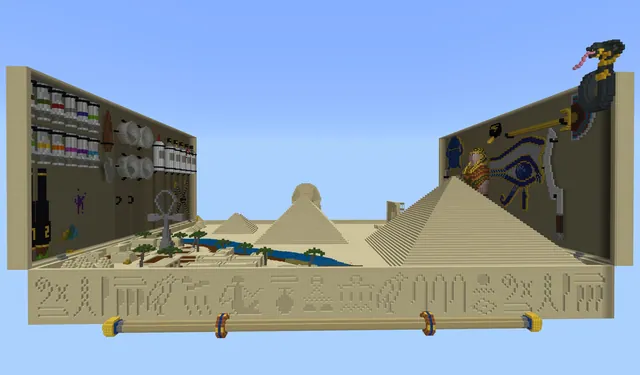
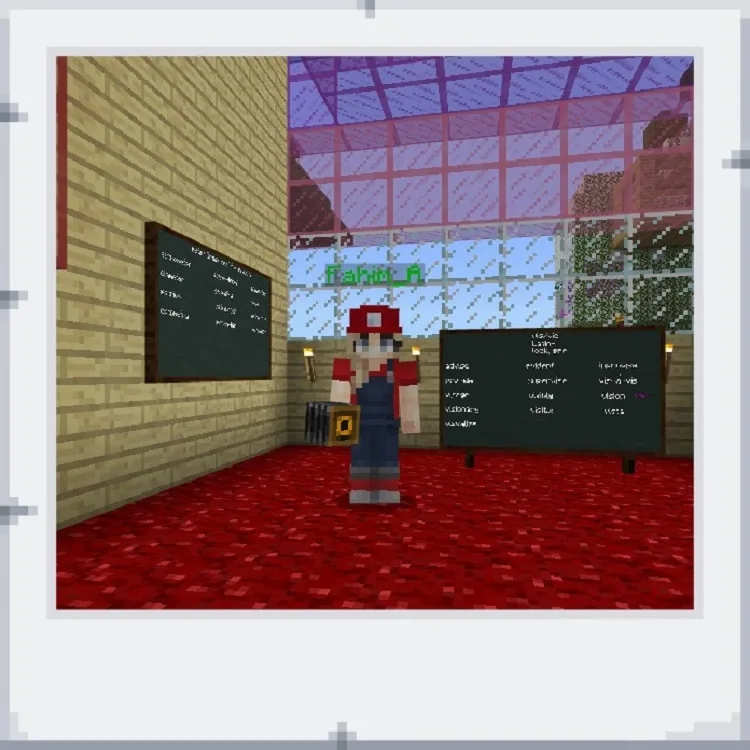
- Spelling ColiseumStudents have written lists of historical spelling words.
- Spelling ColiseumVis/Vid latin root words
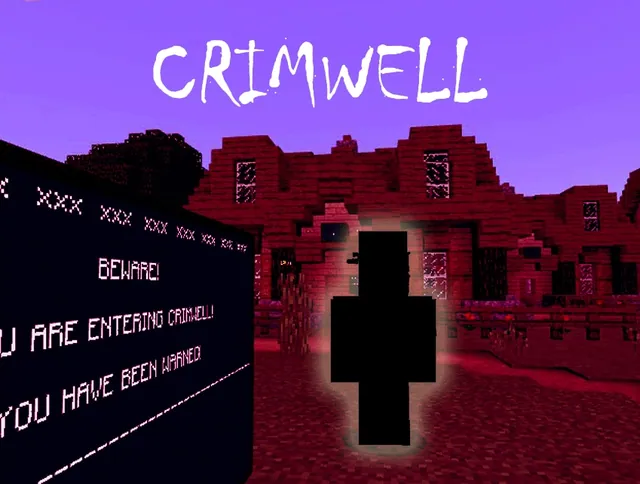
- The Jail and Police StationAny real city needs law enforcement to keep the citizens safe.
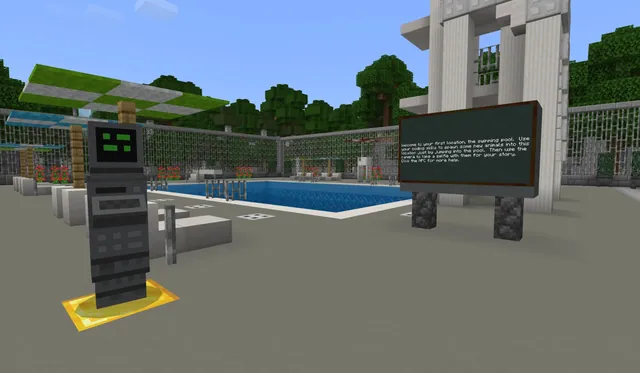
- Spelling GymCome here to practise your spelling against your classmates!
Frequently Asked Questions
How can teachers manage collaborative building without students interfering with each other's plots?
Conduct a whole-class planning session before building begins so groups agree on clear site boundaries, and ground digital behavior in core values such as Respect and Responsibility.
What additional structures can students add besides spelling venues?
Students can construct general city infrastructure, including roads, public transit, parking, gardens, police stations, courthouses, and jails to make the virtual community complete.
Adapted from Spelling City by Anthony Fennell on Minecraft Education, last updated Jul 12, 2018. This classroom version, the timings and the quiz were written by 9Minecraft Education.