- Type
- Lesson plan
- Ages
- Ages 8-18
- Duration
- 2 hours
- Level
- Beginner
How do Métis traditions, language, and sustainable land stewardship reflect the identity of the Otipemisiwak?
Overview
This experience introduces students to the culture, history, and values of the Métis people, known as the Otipemisiwak or 'the people who govern themselves.' Rooted in themes of self-determination, living language, and ethical land stewardship, the curriculum guides learners through the unique contributions and traditions of the Métis nation.
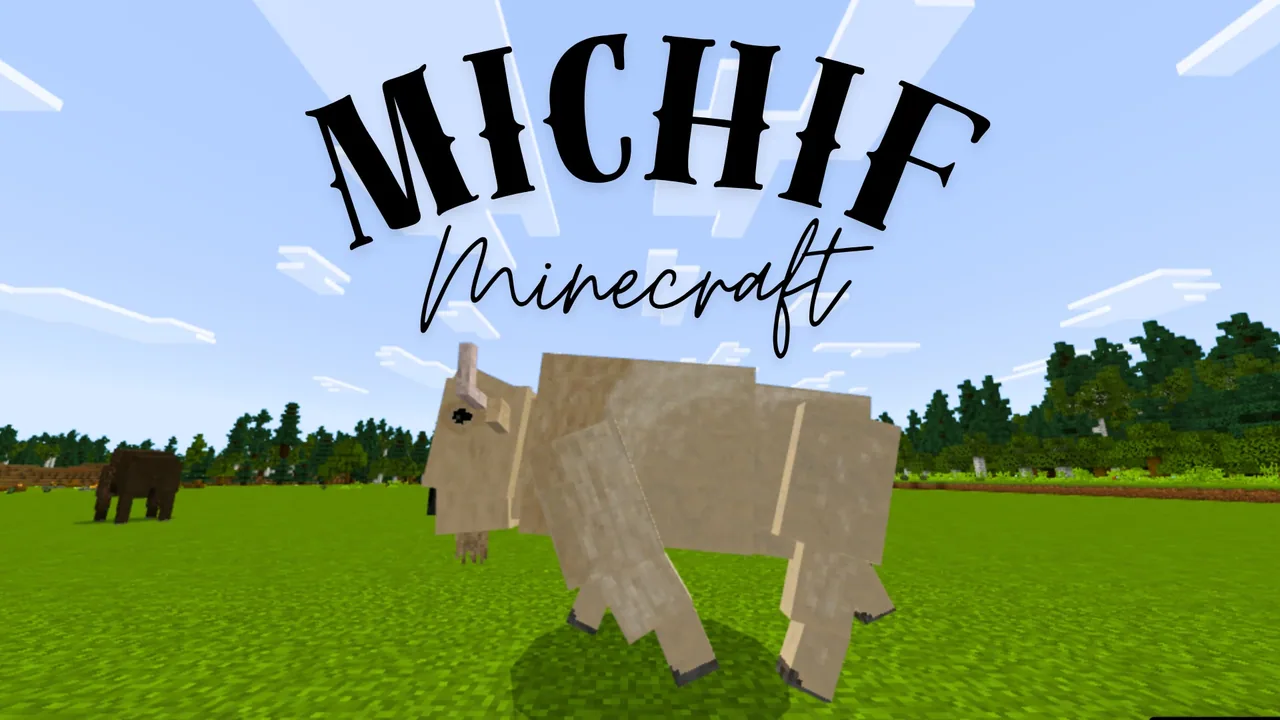
Using a custom Minecraft world, students embark on interactive quests across historical environments. They begin at Louis Riel's camp, practice sustainable beaver trapping, navigate waterways in York Boats, trade at a fort for a fiddle, participate in a traditional bison hunt with Gabriel Dumont, and construct architectural tributes to Métis heritage.
Learning objectives
By the end of this lesson students will be able to:
- Explain the concept of Otipemisiwak and the historical identity of the Métis as a distinct people.
- Collect and use key Michif terms within in-game conversations and cultural activities.
- Demonstrate sustainable wildlife harvesting through beaver trapping and a bison hunt simulation.
- Examine historical fur trade commerce using traditional transportation methods like York Boats and Red River carts.
- Construct a celebratory structure that incorporates traditional Métis symbols and heritage.
Blocks and items used in this lesson


Key vocabulary
- Otipemisiwak
- A Cree-derived name for the Métis meaning 'the people who govern themselves.'
- Michif
- The unique language of the Métis, grounded in Cree and French roots.
- York Boat
- A heavy wooden inland boat used to transport furs and goods across Canadian waterways.
- Red River Cart
- A two-wheeled wooden cart constructed by the Métis for hauling overland freight.
Before class
Lesson sequence
Suggested timing: about 120 minutes in total.
- Arrival and Orientation20 min
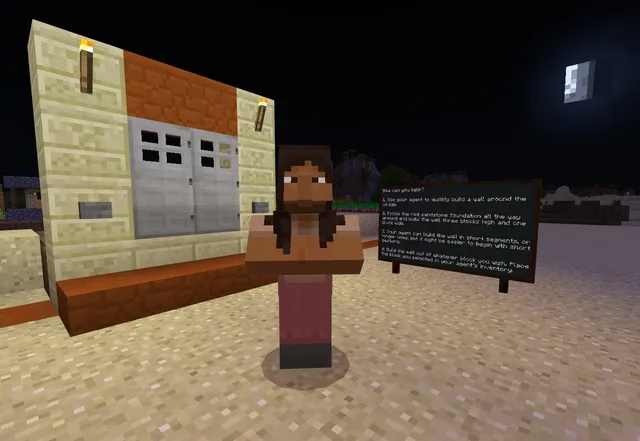
Learners spawn at Louis Riel's camp, obtain a compass, and receive their primary goals. They then travel to Métis Crossing and interact with community members including Lena, Rosa (to gather tools and Michif terms), Theresa, and Isadore (to receive tobacco for cultural protocols).
- Trapping and Fort Trade30 min
Students visit Sinclair House to set traps and harvest beavers sustainably in winter conditions. Afterward, they board York Boats to navigate to the trading fort, exchange pelts for a fiddle, and return via Red River cart to deliver the instrument to Ben Sinclair.
- Traditional Bison Hunt25 min
Learners travel alongside Gus to the bison camp to join Gabriel Dumont in an ethical bison hunt. They collect provisions and present these community resources to Kohkum.
- Cultural Exploration15 min
Students tour Métis Crossing to discover additional traditions. Highlights include Cromarty Barn to examine sashes, Homer's Place to experience fiddling and jigging, the Sky Watching Domes, and The Lodge.
- Cultural Build Challenge30 min
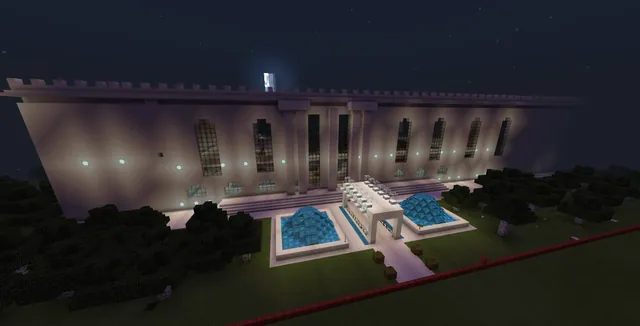
Working alongside Sarah in the designated build zone, learners design a structure celebrating Métis heritage. Builds should incorporate visual motifs like the sash or the infinity flag and reflect themes of sustainability.
Assessment: success criteria
- Articulates the meaning of Otipemisiwak and explains Métis self-governance in class discussion.
- Accurately gathers and records contextual Michif terms during NPC interactions.
- Follows sustainable principles during simulated trapping and bison hunting objectives.
- Produces a build incorporating identifiable Métis symbols, history, or sustainability themes.
Differentiation
Allow students to explore in pairs, using a shared dictionary guide to track Michif words and waypoint locations together.
Prompt advanced students to visit all secondary landmarks and integrate multiple Métis technologies and symbols into their final build.
Knowledge check
5 questions to check understanding after the lesson. Tap an answer to see if it is right; the score appears at the end.
1What does the word Otipemisiwak mean?
Answer: B. Otipemisiwak is a Cree-based descriptor for the Métis meaning 'the people who govern themselves.'
2Which two linguistic traditions form the core roots of Michif?
Answer: A. Michif is a distinct language with Cree and French roots.
3What item do players trade for at the fort after harvesting beaver pelts?
Answer: C. Students navigate to the trading fort to exchange beaver pelts for a fiddle.
4Which historical figure leads students through the traditional bison hunt?
Answer: B. Gabriel Dumont directs learners in sustainable hunting methods at the bison camp.
5What cultural protocol item does Isadore provide to the player at the Visitor Centre?
Answer: A. Isadore presents the player with tobacco to demonstrate traditional cultural protocol.
Resources
- Lesson package (.zip)Everything the author attached to this lesson in one download.
- French Lessons and SlideshowsFrench Lessons and Slideshows
- English Lessons and SlideshowsEnglish Lessons and Slideshows
Frequently Asked Questions
Is this lesson suitable for French immersion classes?
Yes. The curriculum includes supporting slide decks and lesson guides available in both French and English.
How long should teachers schedule for the complete experience?
The activities, exploration, and building challenge are designed to fit a standard two-hour instructional block.
Adapted from Michif Minecraft by Logics Academy on Minecraft Education, last updated Jun 13, 2026. This classroom version, the timings and the quiz were written by 9Minecraft Education.