- Type
- Lesson plan
- Subject
- Climate & Sustainability
- Topics
- Climate Science
- Ages
- Ages 11-13
- Duration
- 1 hour
- Level
- Beginner
How do animals adapt to survive on frozen peaks, and why does climate change threaten their survival?
Overview
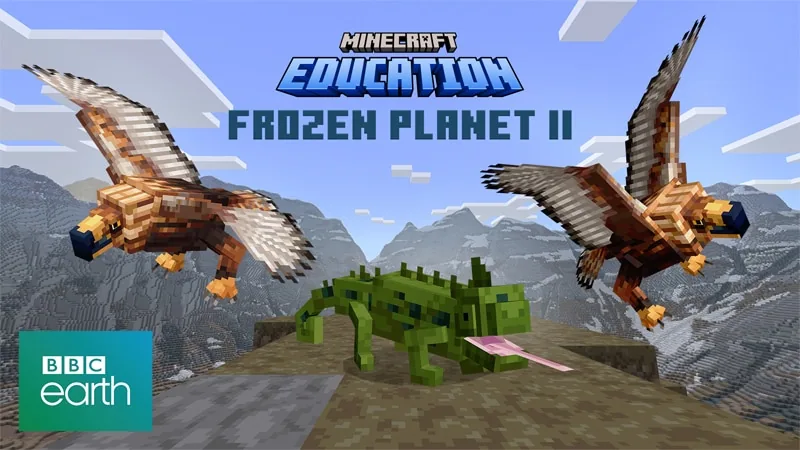
High-altitude environments present extreme cold and harsh conditions that demand specialized physical and behavioral adaptations. Through the examples of mountain wildlife like the high-casqued chameleon and golden eagle, students examine how animals survive cold mountain summits and why accelerating climate change threatens these delicate balances.Learning objectives
By the end of this lesson students will be able to:
- Identify physical and behavioral adaptations that allow animals to survive in frozen high-altitude environments
- Measure and calculate human reaction times using a controlled ruler-drop experiment
- Explain how the rapid predatory reaction of the high-casqued chameleon supports its survival
- Describe the impact of climate change on mountain habitats and identify individual actions to reduce emissions
Blocks and items used in this lesson
 Snow
 Ice
 Packed Ice
 Blue Ice
 Powder Snow
Key vocabulary
- Adaptation
- A physical trait or behavior that develops over time to help a living thing survive in its habitat.
- Reaction Time
- The time that passes between perceiving a stimulus through the senses and making a physical response.
- Permafrost
- Ground or soil that remains completely frozen continuously for long periods of time.
- SDG 13
- The United Nations Sustainable Development Goal dedicated to urgent action combating climate change.
Before class
Lesson sequence
Suggested timing: about 60 minutes in total.
- Introduction and Habitat Mapping10 min
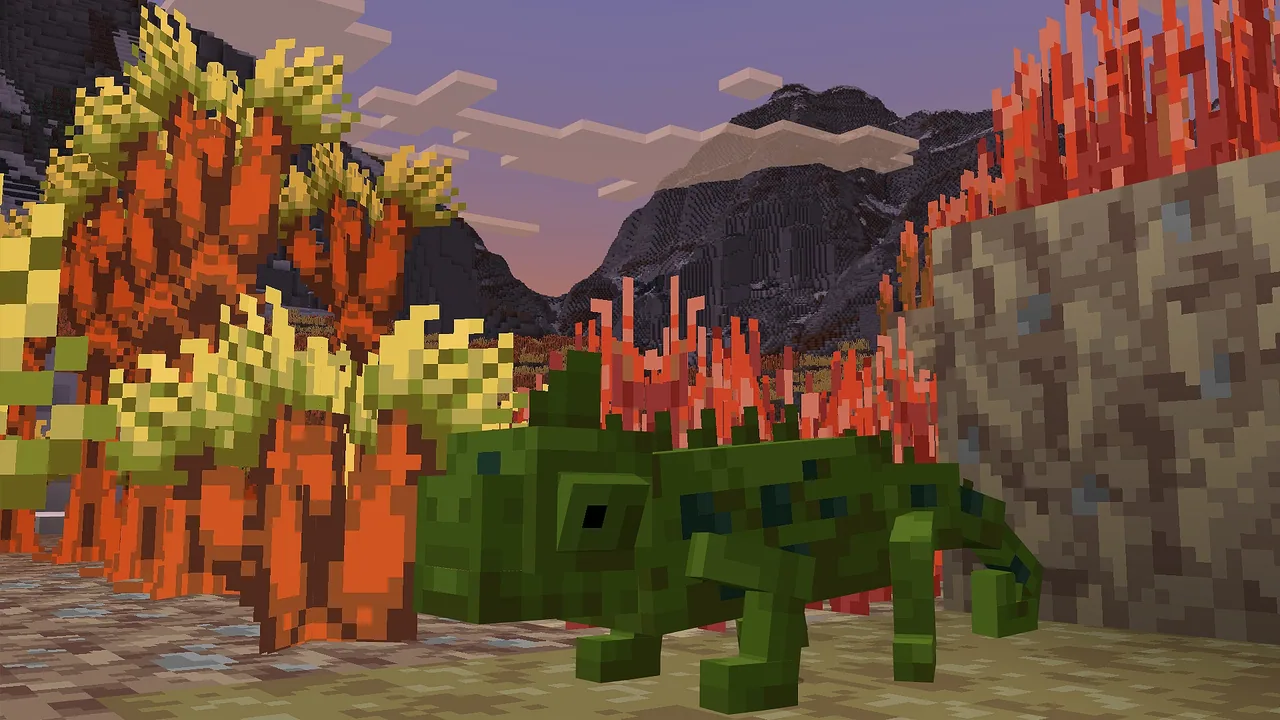
Introduce year-round cold environments across the globe and prompt students to brainstorm types of frozen water and mountain wildlife. Show the video clip of the high-casqued chameleon, then have small groups locate Mount Kenya using an atlas or world map while reading the chameleon fact sheet.
- Reaction Time Investigation15 min
Discuss real-life situations where fast reactions are critical before explaining how senses, the brain, and muscles coordinate responses. Introduce the fast tongue extension of the chameleon.
- Organize students in groups of three with a 30 cm ruler.
- Have one student hold their fingers open while a partner drops the ruler without warning.
- The third student records the catch measurement, with values closer to 1 cm representing faster reaction times.
- Ensure a fair test by keeping drop heights consistent, then optionally test the effect of audio distractions.
- Minecraft In-Game Exploration25 min
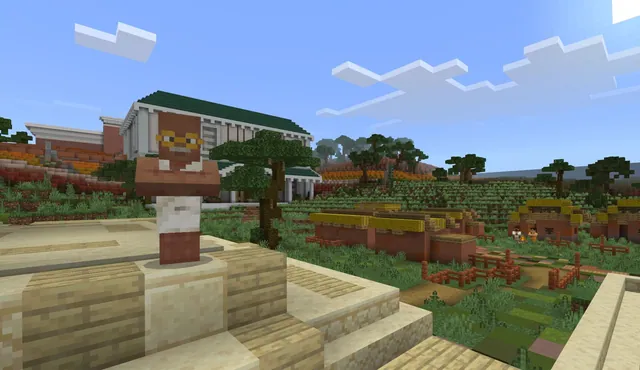
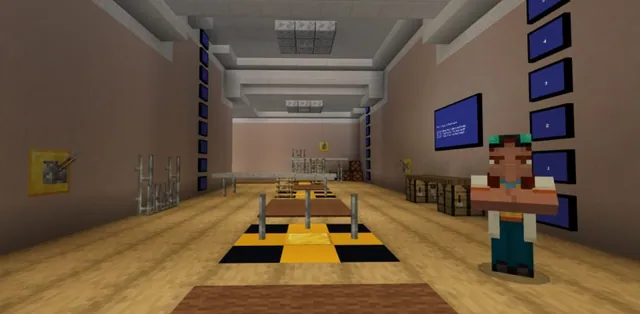
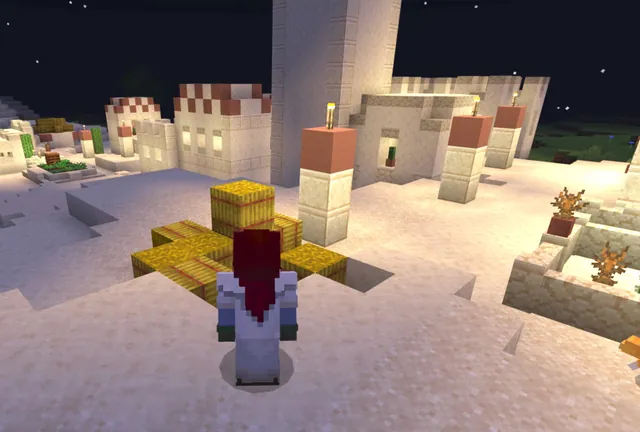
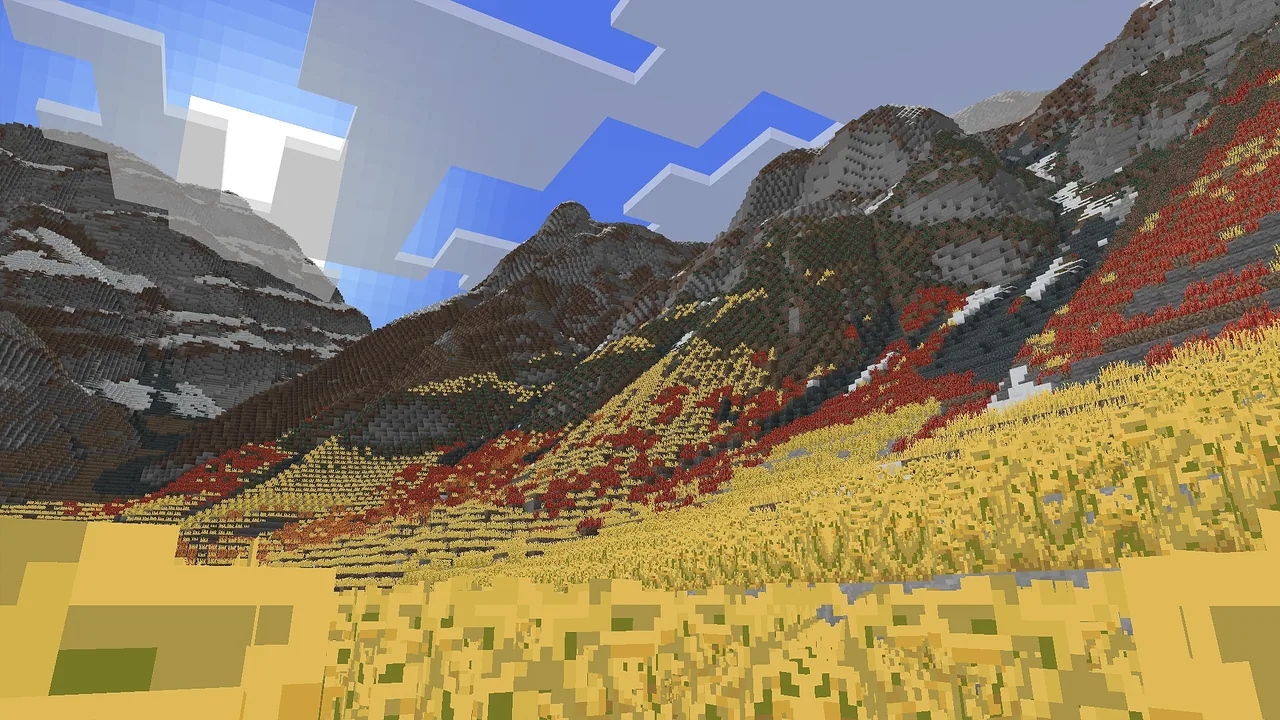
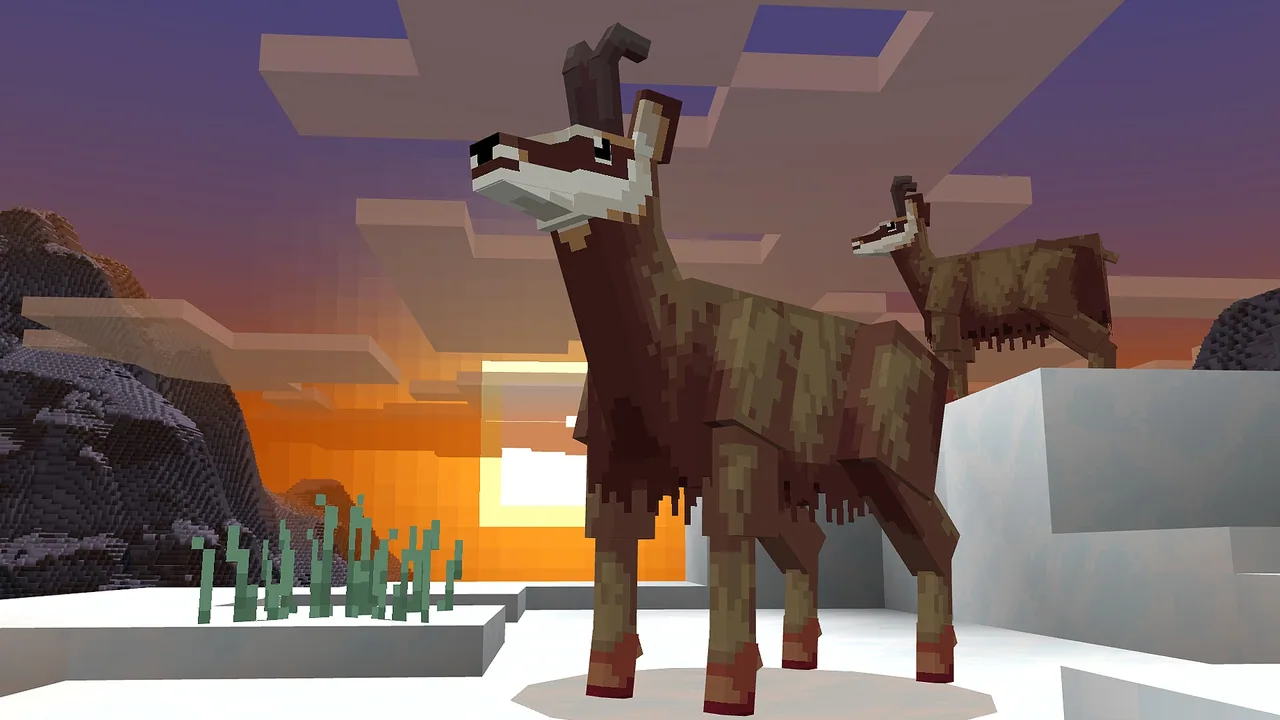
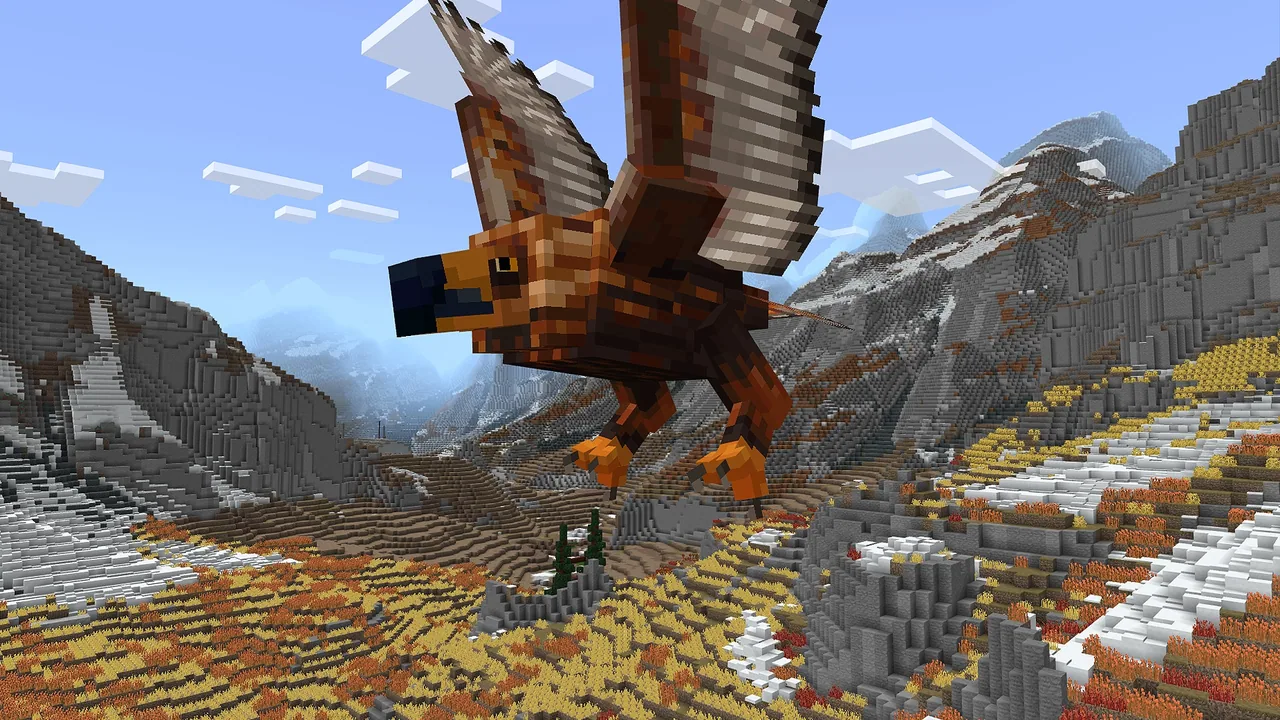
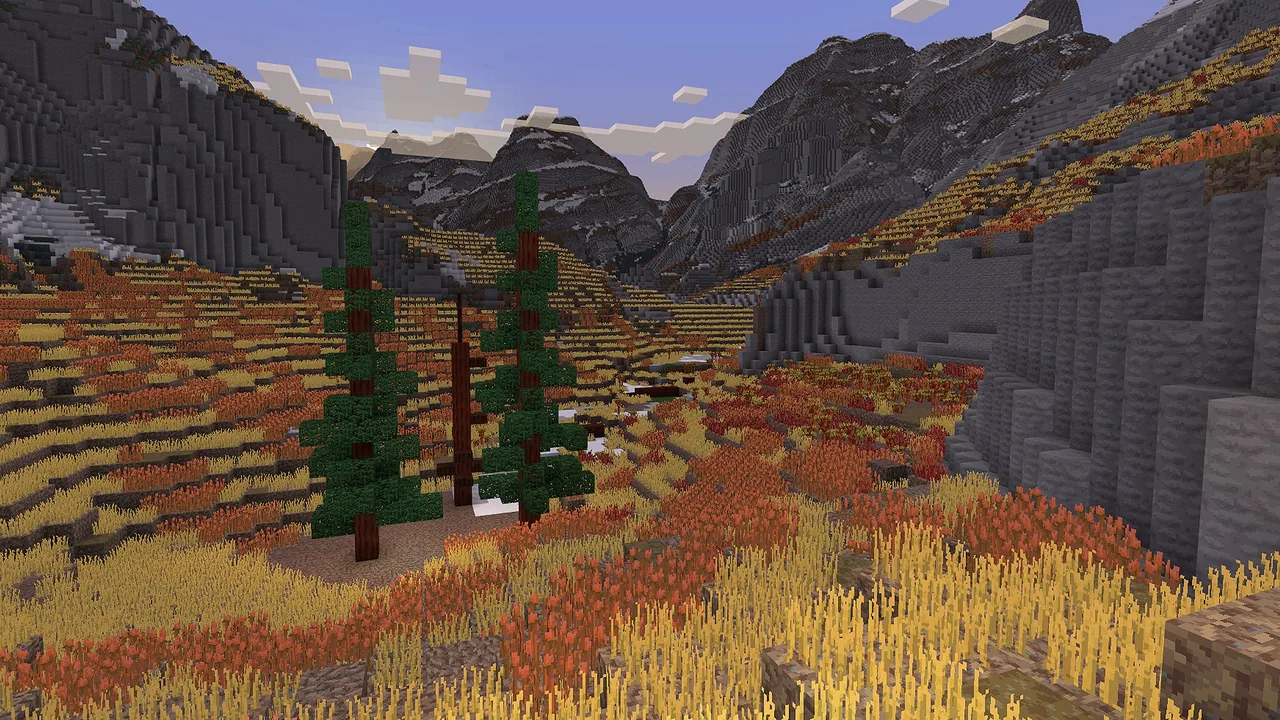
Direct students into the Frozen Peaks Minecraft world to observe the animals in their simulated high-altitude habitat. Students follow in-game learning prompts regarding the chameleon and golden eagle to experience their survival challenges and examine ways that reusing, reducing, and recycling help limit climate impacts.
- Debrief and Climate Action Reflection10 min
Convene the class to discuss how the game illustrated the struggles of mountain wildlife. Guide students to connect the melting of frozen peaks to global climate change and review individual habits that can help protect fragile ecosystems.
Inside the lesson world
Assessment: success criteria
- Students can explain how a high-casqued chameleon's reaction time and tongue assist in capturing prey.
- Students accurately conduct the ruler-drop test and follow fair-testing guidelines.
- Students describe how changing global temperatures put mountain peak species at risk.
- Students identify at least two practical actions to reduce waste and lower emissions.
Differentiation
Provide a pre-printed recording table with clear thumb placement markings for the ruler reaction test.
Have students introduce sound distractions during the reaction test to record and evaluate how sensory interference impacts physical response times.
Knowledge check
5 questions to check understanding after the lesson. Tap an answer to see if it is right; the score appears at the end.
1What happens during a creature's reaction time?
Answer: B. Reaction time measures the interval from sensing an event to processing it in the brain and executing an action.
2Where on a map do students locate the habitat of the high-casqued chameleon?
Answer: A. The lesson directs student groups to locate Mount Kenya on an atlas while studying the high-casqued chameleon.
3In the ruler-drop experiment, which measurement indicates the fastest reaction time?
Answer: C. Because the ruler drops from the 30 cm mark downwards, catching it closest to 1 cm means it fell the shortest distance before being stopped.
4Which action suggested in the lesson helps protect frozen peak habitats by lowering emissions?
Answer: A. The lesson notes that reusing items, reducing waste, and recycling help reduce emissions that drive climate change.
5Which Sustainable Development Goal (SDG) connects directly to the study of melting frozen peaks in this lesson?
Answer: D. The learning objectives explicitly identify SDG 13, which focuses on climate action.
Resources
- Lesson package (.zip)Everything the author attached to this lesson in one download.
- Frozen Peaks PPTAccompanying PPT Presentation For Lesson Plan.
- Golden Eagle Fact SheetFacts about the Golden Eagle
- Chameleon Fact SheetFacts about the High-Casqued Chameleon
- Lesson worldOpens the world page in Minecraft Education (sign-in with a school account may be needed).
Frequently Asked Questions
What equipment is required for the classroom science activity?
Each small group needs one standard 30 cm ruler, an atlas or world map to locate Mount Kenya, and copies of the provided animal fact sheets.
Which mountain animals are featured in the learning materials?
The lesson specifically highlights the high-casqued chameleon and the golden eagle, examining their adaptations to extreme high-altitude conditions.
Adapted from Frozen Planet II: Frozen Peaks by Minecraft Education on Minecraft Education, last updated Sep 29, 2025. This classroom version, the timings and the quiz were written by 9Minecraft Education.