Can people from different backgrounds live together peacefully, and what is needed to resolve conflicts?
Overview
Peace requires active reflection on how people of different backgrounds, cultures, and beliefs can coexist harmoniously. In this lesson connected to Sustainable Development Goal 16, students examine the root causes of conflict and consider the core values necessary to resolve disputes and foster positive relationships across diverse communities.
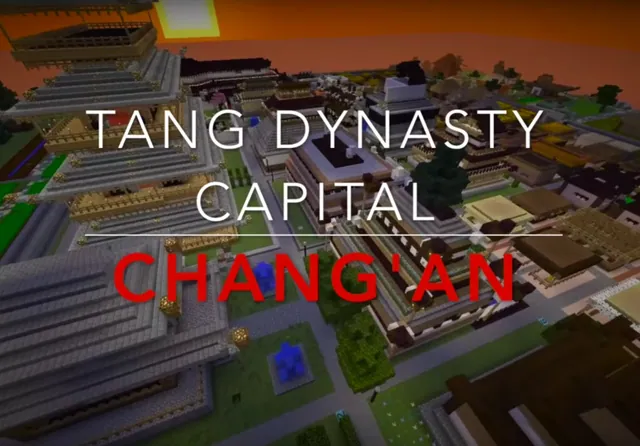
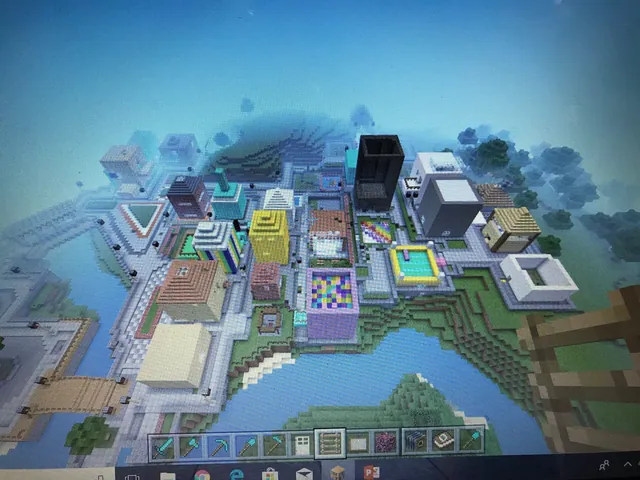
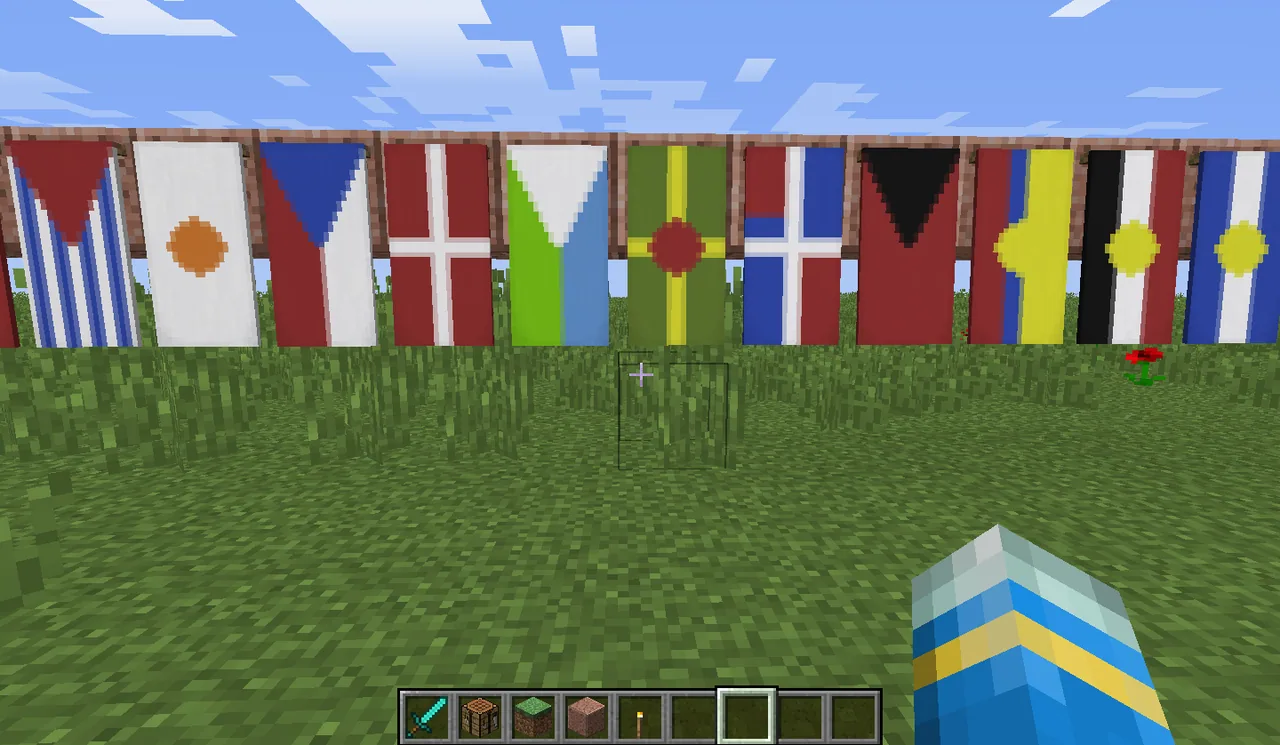
Using Minecraft Education as a collaborative canvas, learners work together to construct a shared city populated by diverse residents. Teams express messages of unity by building designated peace walls, designing flags representing various nations, and displaying the shared motto Fight for peace throughout their settlement.
Learning objectives
By the end of this lesson students will be able to:
- Identify key causes of conflict and practical solutions for achieving lasting peace.
- Collaborate with peers to construct a shared city representing diverse cultures and beliefs.
- Compose original peace messages and display them on constructed community walls.
- Design flags from around the world to symbolize global unity and cooperation.
Blocks and items used in this lesson


Key vocabulary
- Peace
- A state of harmony, mutual respect, and freedom from violent conflict.
- Motto
- A short phrase or sentence chosen to represent the core ideals or beliefs of a group.
- Union
- The condition of being joined together in common purpose and agreement.
- Conflict
- A serious disagreement or dispute between groups or individuals.
Before class
Lesson sequence
- Warm-up: Guiding Questions
Introduce Sustainable Development Goal 16: Peace. Lead a group discussion exploring whether peace is achievable, how conflicts can be resolved, and what values allow people of different races and beliefs to maintain positive relationships.
- Planning and Group Roles
Have student teams plan their settlement layout and agree on how to incorporate the motto, Fight for peace. Students divide tasks, including designing living areas, crafting international flags, and drafting peace messages.
- Collaborative City Build
Students build an inclusive city in the shared world where people of all backgrounds live together. Learners build dedicated peace walls inscribed with constructive messages and construct flags from around the globe to represent unity.
- Showcase and Reflection
Teams tour each other's settlements to read the displayed peace statements and examine the international symbols. Conclude by discussing how the collaborative building experience reflects real-world cooperation.
Assessment: success criteria
- The student actively collaborates with classmates to construct a shared urban environment.
- The completed build visibly incorporates the motto Fight for peace.
- Written statements supporting peace and harmony are legibly displayed on community walls.
- International flags are included in the settlement to represent global union.
Differentiation
Provide sentence starters and reference images to assist learners with writing peace statements and designing banners.
Challenge students to design dedicated community resolution spaces, such as mediation halls, that show how citizens resolve disagreements.
Knowledge check
5 questions to check understanding after the lesson. Tap an answer to see if it is right; the score appears at the end.
1Which United Nations Sustainable Development Goal is the focus of this lesson?
Answer: B. The source explicitly states that students work on Sustainable Goal #16: Peace.
2What specific motto are students instructed to write in their build?
Answer: D. The lesson activity specifically assigns the motto Fight for peace.
3What do the flags from different parts of the world symbolize in the project?
Answer: A. The performance expectations state that flags from around the world represent union.
4Where are students expected to display their written peace messages?
Answer: B. The activity requires students to create walls with peace messages.
5What type of community are students asked to construct in their world?
Answer: B. The prompt tasks learners with building a world with inhabitants from different races and religions living together in peace.
Frequently Asked Questions
Does this lesson require a specific downloadable world?
No custom world download is required. Any standard flat or open multiplayer world in Minecraft Education works well for this collaborative activity.
How can students display their written messages and flags in-game?
Students can write peace statements using signs, slates, or poster boards, and they can construct flags using custom banners or colored blocks such as wool and concrete.
Adapted from Fight for peace by Maria Jose on Minecraft Education, last updated Jan 3, 2018. This classroom version, the timings and the quiz were written by 9Minecraft Education.