- Type
- Lesson plan
- Ages
- Ages 8-13
- Includes
- Quiz: 5 questionsLesson files
How can computer programming and textual evidence be combined to communicate the central theme of a novel?
Overview
This interdisciplinary project unites reading comprehension, literary analysis, and computer science. Students examine the shared importance of planning in both writing and programming by reading James Hood's article on documentation, identifying the central theme of a novel, and designing a structured response backed by textual evidence.
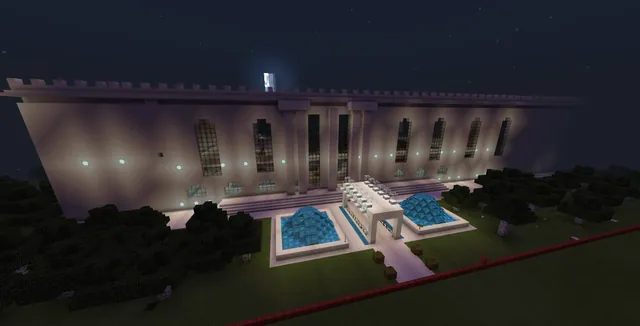
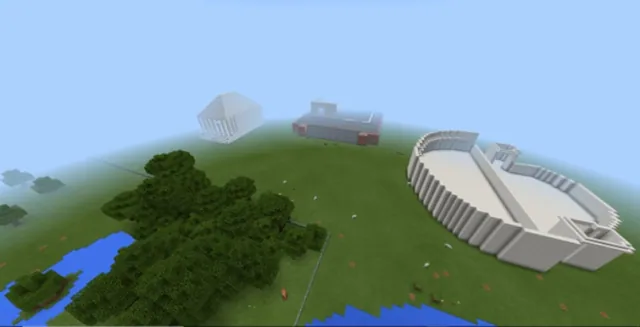
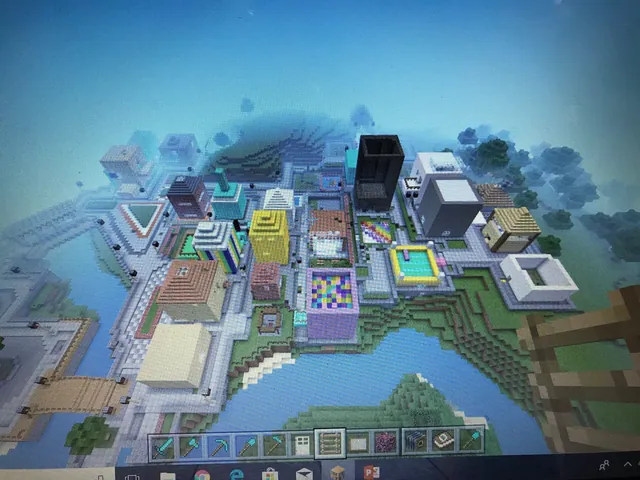
In Minecraft, students reconstruct three to four pivotal scenes from their text, embedding cited quotations within signs or non-player characters. They then program the Agent using loops and conditionals to serve as an automated museum tour guide that explains key artifacts and reinforces the book's overarching message, documenting the entire process in a final presentation.
Learning objectives
By the end of this lesson students will be able to:
- Identify a central theme from a novel and support it with direct quotes cited from pivotal scenes.
- Plan and construct purposeful Minecraft scenes that accurately reflect literary settings and key plot events.
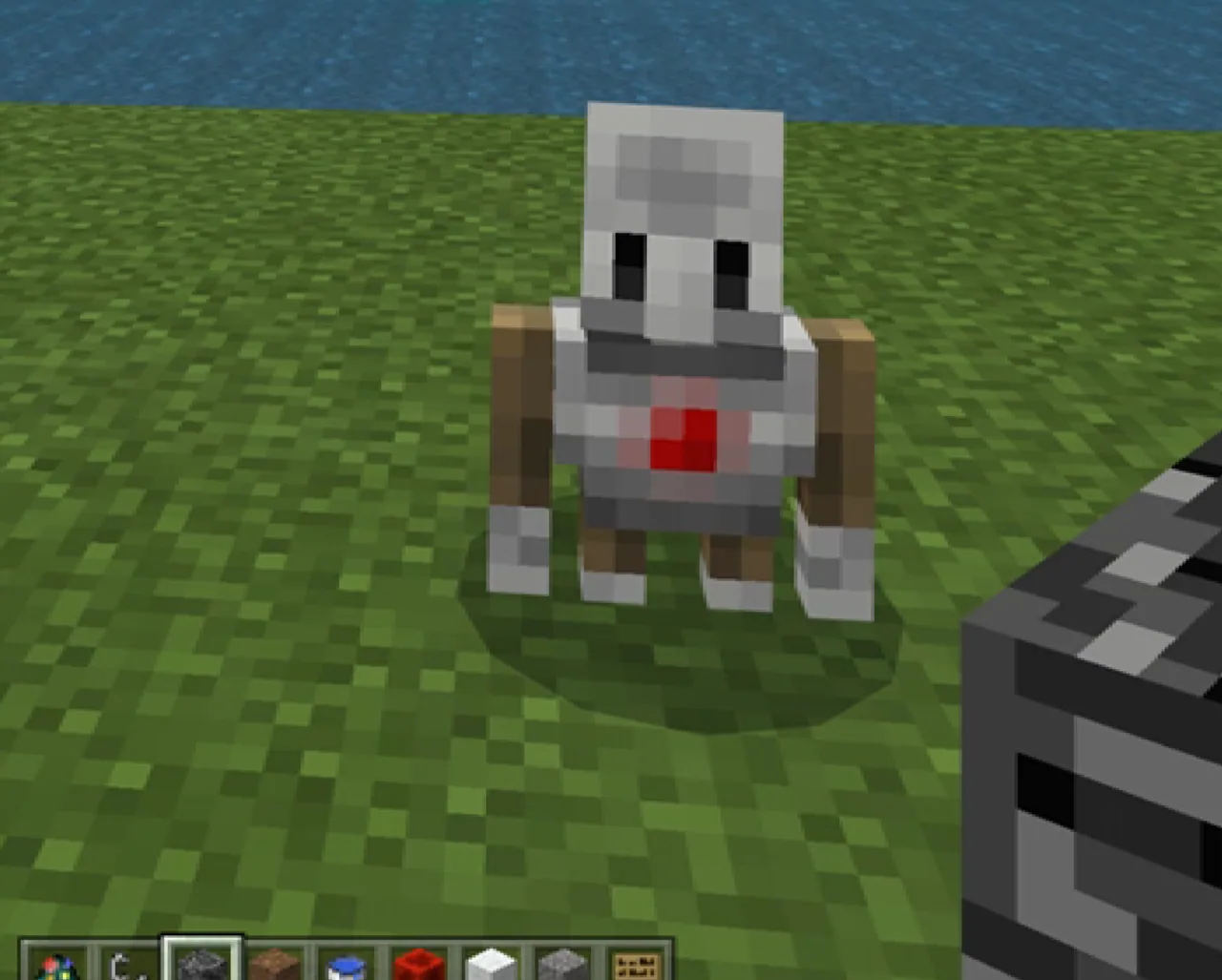
- Program the Agent using loops and conditionals to guide visitors through an interactive book tour.
- Compare and contrast the planning and troubleshooting processes used in programming with those used in essay writing.
Blocks and items used in this lesson


Key vocabulary
- Theme
- The central idea, lesson, or message that an author conveys through a story.
- Agent
- A programmable companion in Minecraft that executes coded instructions to move and interact with the world.
- Loop
- A programming command that repeats a block of code multiple times.
- Conditional
- A rule in programming that performs different actions depending on whether a condition is true or false.
Before class
Lesson sequence
- Comparing Writing and Coding
Introduce the project by having students read Just in time documentation by James Hood. Lead a discussion comparing how writers outline essays to how programmers plan scripts before writing code.
- Theme Selection and Quote Gathering
Review the concept of literary theme. Have students select three to four pivotal moments from their novel that demonstrate a central lesson, gathering at least two direct quotes per scene with page numbers.
- Design and Code Planning
Guide students through their OneNote planning pages. Students sketch blueprints for each scene, plan artifact placements, and write draft scripts for the Agent using loops, conditionals, and clear visitor commands.
- World Building and Agent Scripting
Once plans are approved, students construct their scenes in Minecraft. They post citations on boards or NPCs, program the Agent to guide visitors, test their code, and export world backup files to the desktop regularly.
- Sway Compilation and Tour Presentations
Students compile their scene blueprints, theme paragraphs, direct quotes, code drafts, and troubleshooting reflections into Microsoft Sway. Finish by having students present their Sway and run their Agent-guided world tour.
Assessment: success criteria
- The final Sway includes a theme summary, world blueprints, at least six direct textual quotes with citations, and code documentation.
- The Minecraft world contains three to four purposeful scenes that accurately depict the novel's setting and sequential plot points.
- The Agent successfully guides a visitor along the tour path using clear command phrases and at least one loop in its program.
- The student provides written reflection comparing planning and troubleshooting in coding to planning in writing.
Differentiation
Offer scaffolded graphic organizers for recording textual citations and provide starter code blocks for basic Agent movement.
Encourage students to script advanced conditional triggers that make the Agent respond dynamically to different visitor choices along the tour.
Knowledge check
5 questions to check understanding after the lesson. Tap an answer to see if it is right; the score appears at the end.
1How many direct textual quotes must be included for each scene created in the Minecraft world?
Answer: A. The project instructions require each scene to have obvious connections back to at least two quotes from that section of the book.
2How many pivotal scenes from the novel are students challenged to select and build?
Answer: B. The assignment specifies choosing the 3 to 4 most pivotal scenes from the book to summarize the main character's life.
3What is the primary role of the coded Agent in this project?
Answer: C. The Agent is programmed like a museum tour guide to teach the lesson of the story and highlight key artifacts.
4Which computer science structure must appear at least once in the Agent's code?
Answer: D. The assessment expectations state that the Agent must utilize at least one use of looping in its code.
5What application is used to compile planning blueprints, direct quotes, code drafts, and reflections?
Answer: B. All written components, blueprints, quote connections, and code drafts are compiled into a final Microsoft Sway for grading.
Resources
Frequently Asked Questions
Which novel is referenced as an example in the project source?
The lesson specifically references Out of the Dust and the experiences of its main character, Billy-Joe, as an example for building scenes and analyzing theme.
Where should students display their direct textual quotes in Minecraft?
Direct quotes and their page citations should be placed on in-game boards or written inside non-player character dialogue descriptions.
Why are students instructed to save their world files to the desktop regularly?
Students are advised to export and save backups to their desktop throughout the building process to protect against unexpected technical mishaps or data loss.
Adapted from Agent Guided Book Tour CS, ELA by Jessica Pilsner on Minecraft Education, last updated Jan 19, 2019. This classroom version, the timings and the quiz were written by 9Minecraft Education.