- Type
- Lesson plan
- Ages
- Ages 8-13
- Duration
- 1 hour
- Level
- Intermediate
- Includes
- Quiz: 5 questions
How do journalists verify sources and uncover the truth behind rumours before publishing a news story?
Overview
In this media literacy lesson, students step into the shoes of junior journalists to investigate a widespread rumour threatening a local school community. Learners explore the critical difference between misinformation and deliberate disinformation while discovering how to corroborate eyewitness claims before rushing to print.
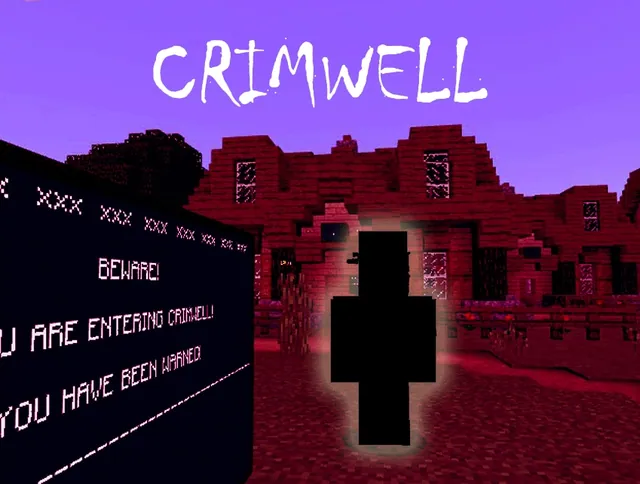
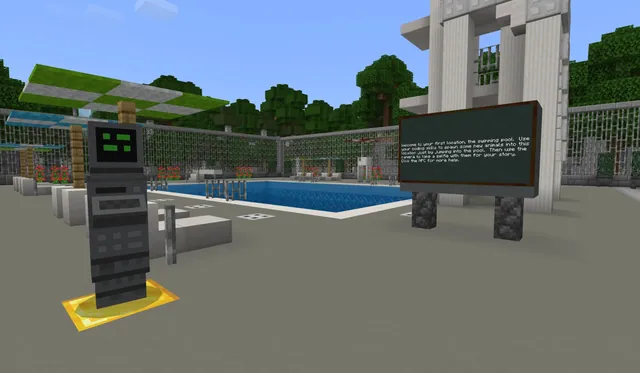
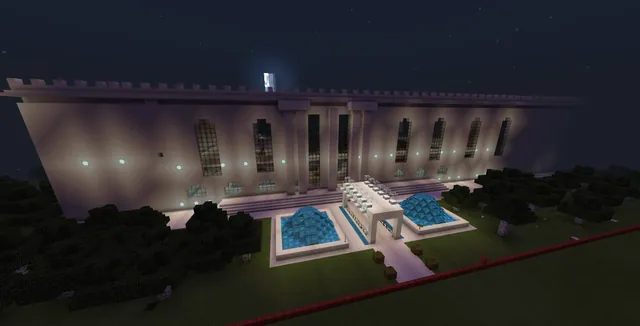
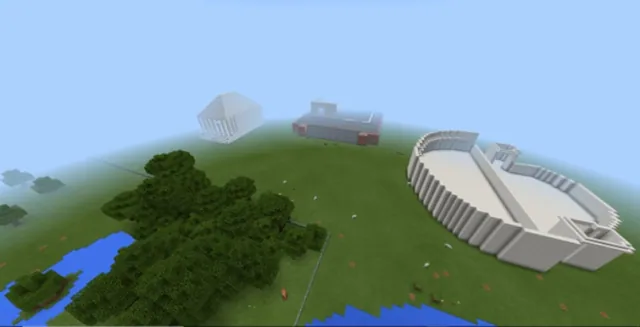
Working inside a custom Minecraft world, students interview citizen sources, gather quotes, and capture documentary photographs in their news journals. By examining evidence through structured journalistic frameworks like the S.O.S. principle and the five Ws and one H, students assemble a verified news report ready for teacher review.
Learning objectives
By the end of this lesson students will be able to:
- Differentiate between accidental misinformation and intentional disinformation
- Evaluate source credibility using the S.O.S. verification principle
- Identify and organize key story facts around the five Ws and one H
- Select corroborating evidence while filtering out unreliable statements to write a news report
Blocks and items used in this lesson


Key vocabulary
- Misinformation
- The unintentional creation or sharing of false or inaccurate news.
- Disinformation
- False information created and spread deliberately to deceive people.
- Source
- A person, document, or record that provides firsthand information for a story.
- Journalist
- A writer or investigator who gathers facts and writes reports on current events.
- Ethics
- Moral guidelines and standards of fairness and honesty followed when reporting.
- Publish
- To produce and share completed writing with a wider audience.
Before class
Lesson sequence
Suggested timing: about 60 minutes in total.
- Editorial Briefing10 min
Introduce the assignment: investigate a rumour that summer vacation is cancelled. Watch the lesson videos discussing the difference between accidental misinformation and deliberate disinformation, and explain the analogy of building a story just like building a house.
- Field Investigation25 min
Students enter the Minecraft world to interview local citizens. Learners record statements, capture photographs in their in-game news journals, and gather clues to determine who started the rumour and why.
- Fact-Checking with S.O.S.10 min
Learners review online exemplar stories and apply the S.O.S. principle to their field notes: checking if sources are firsthand, finding more than one corroborating source, and identifying missing details or perspectives.
- Drafting and Publication15 min
Students draft their final report answering the five Ws and one H (who, what, when, where, why, and how). They assemble their finished story in their story book and export it as a PDF for teacher evaluation.
Assessment: success criteria
- Accurately distinguishes between misinformation and disinformation in discussion or writing.
- Includes answers to all five Ws and one H (who, what, when, where, why, how) in the final article.
- Provides evidence of source corroboration using the S.O.S. framework.
- Delivers a complete news report exported as a PDF document for teacher review.
Differentiation
Provide a graphic organizer worksheet outlining the five Ws and one H alongside the S.O.S. checklist to help students structure their notes before writing.
Challenge advanced students to write an editorial sidebar analyzing how the rumour spread through the town and recommending ethical guidelines for sharing school news.
Knowledge check
5 questions to check understanding after the lesson. Tap an answer to see if it is right; the score appears at the end.
1What is the key difference between misinformation and disinformation?
Answer: A. The source defines misinformation as an accidental spread of unauthentic news, whereas disinformation is shared with intent to mislead.
2In the S.O.S. verification principle, what does the letter O stand for?
Answer: B. Under S.O.S., O prompts reporters to corroborate details by locating more than one reliable source.
3What core questions must reporters answer to ensure a story is complete?
Answer: C. Reporters rely on the five Ws and one H to cover all essential facts of a news story.
4What rumour are students assigned to investigate in the town?
Answer: D. The scenario places students on their first assignment investigating a rumour that summer break will be replaced by year-round school.
5According to the lesson videos, constructing a news story is compared to which activity?
Answer: B. The source notes that original videos teach students how building a news story is a lot like building a house.
Frequently Asked Questions
How do students share their completed news reports with the teacher?
Students assemble their final narrative in the in-game story book and export the completed project as a PDF to submit directly to the teacher.
What should students do if citizen interviews contradict each other?
Students should apply the S.O.S. framework to check if testimonies are firsthand and seek additional corroborating sources before accepting a claim as factual.
Adapted from Reporting 101: Misinformation by CBC Kids News ME on Minecraft Education, last updated May 5, 2023. This classroom version, the timings and the quiz were written by 9Minecraft Education.