- Type
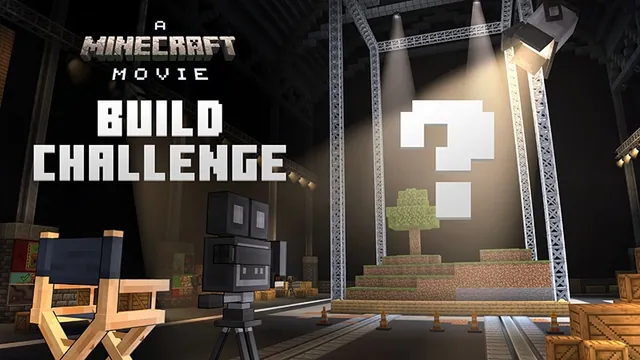
- Build challenge
- Subject
- Art, Music & Design
- Topics
- Art and Design
- Duration
- about 60 min (suggested)
- Includes
- Quiz: 5 questionsMinecraft world
How can physical design features help an animal survive in its environment?
Overview
Living creatures develop distinct physical features and behavioral habits to thrive in their native habitats. Considering whether an organism eats plants or meat, hides from predators, or relies on specialized defenses helps students understand the direct connection between an animal and its environment.
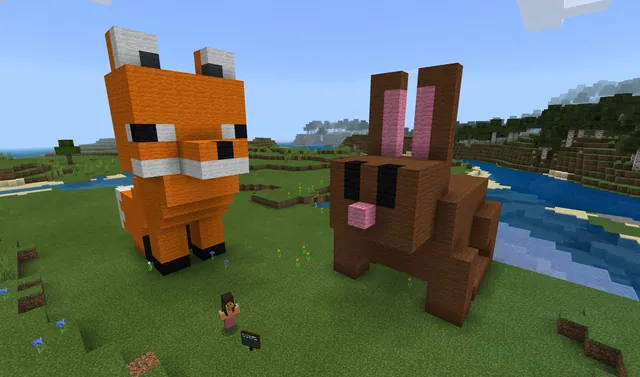
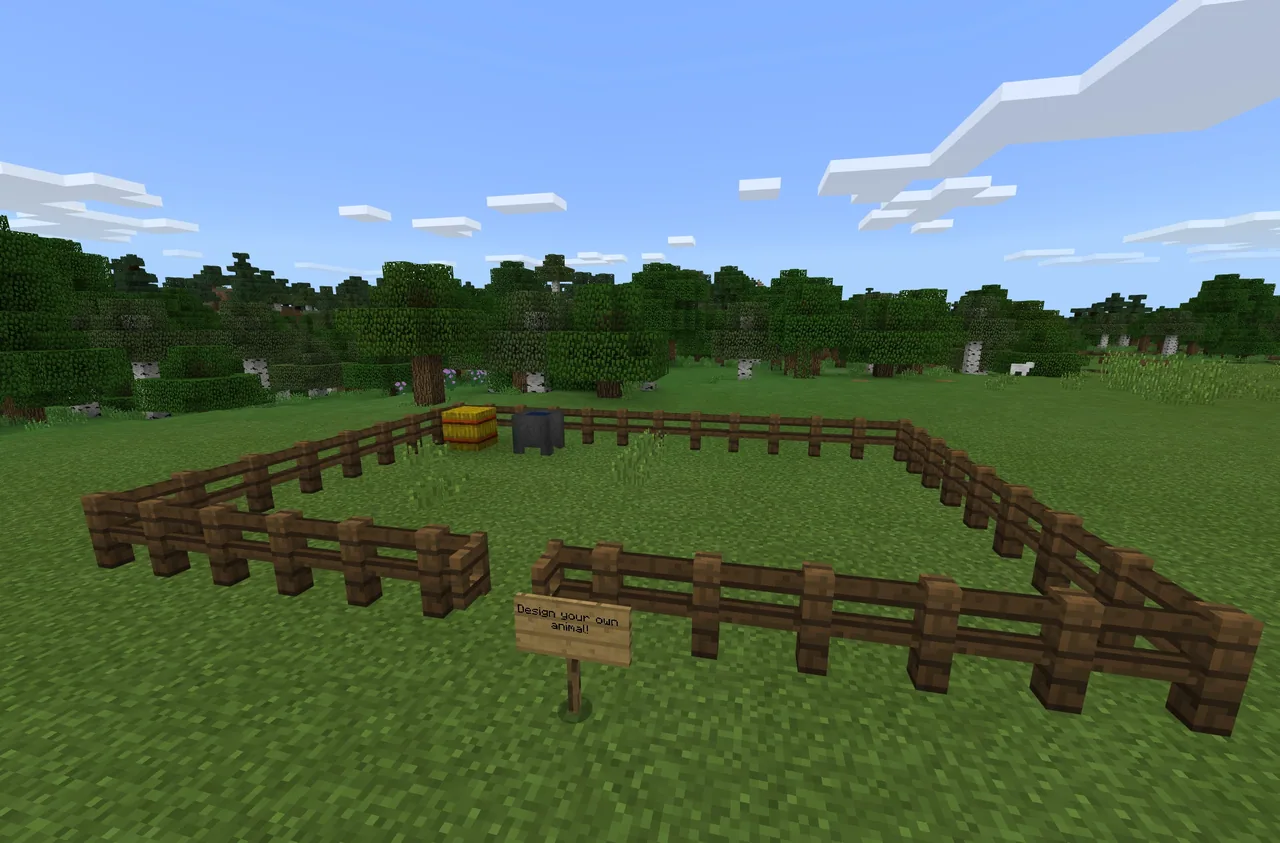
In this activity, students use the creative canvas of Minecraft to build an original creature within a forest setting. By deliberately selecting blocks for camouflage, defensive structures, and feeding adaptations, learners apply critical thinking and artistic design principles to biology concepts.
Learning objectives
By the end of this activity students will be able to:
- Design an original creature in Minecraft with distinct environmental adaptations.
- Identify whether the creature functions as a herbivore or carnivore.
- Incorporate physical survival features such as camouflage or protective defenses into the build.
- Document and explain the finished animal using in-game photos or written descriptions.
Blocks and items used in this lesson


Key vocabulary
- Adaptation
- A physical feature or behavior that helps an organism survive in its habitat.
- Herbivore
- An animal that feeds primarily or exclusively on plants.
- Carnivore
- An animal that eats other animals for sustenance.
- Camouflage
- Patterns, shapes, or colors that help an animal blend into its surroundings.
Before class
Lesson sequence
Suggested timing: about 60 minutes in total.
- Plan and Sketch10 min
Introduce the challenge questions regarding diet, habitat, and defenses. Have students sketch their animal idea on paper, deciding whether it is a herbivore or carnivore and identifying how it blends in or defends itself.
- Minecraft Construction25 min
Students locate a suitable spot in the forest biome and construct their animal. Encourage them to pick blocks that represent specialized traits, such as camouflage colors, claws, horns, or protective armor.
- Documentation10 min
Learners use the in-game camera to capture pictures of their completed build. Students draft a short paragraph explaining the animal's diet, defenses, and habitat adaptations.
- Share and Reflect15 min
Students present their camera photos and paragraphs to the class or a partner, explaining the reasoning behind their design choices.
Assessment: success criteria
- The build represents an original creature situated within the chosen Minecraft biome.
- The animal displays identifiable traits corresponding to a herbivore or carnivore diet.
- The model incorporates clear survival adaptations such as camouflage or defensive structures.
- The student documents their creation with camera photos or a descriptive paragraph.
Differentiation
Provide a simple planning checklist with suggested block palettes for fur, scales, and camouflage to guide students through the design process.
Have students fly to a contrasting biome, such as a desert, ocean, or taiga, and design a second animal adapted to those conditions.
Knowledge check
5 questions to check understanding after the lesson. Tap an answer to see if it is right; the score appears at the end.
1Which term describes an animal that feeds exclusively or primarily on plants?
Answer: A. A herbivore is an animal that eats plant material rather than meat.
2What is the primary function of camouflage for an animal in the wild?
Answer: B. Camouflage allows an animal to match the colors and patterns of its environment to hide from predators or prey.
3Which other biomes does the lesson suggest exploring for animal adaptations beyond the forest?
Answer: C. The extension activities suggest traveling to biomes such as the taiga, desert, or ocean to design adapted creatures.
4How are students suggested to document their completed animal builds in Minecraft?
Answer: A. The prompt suggests using the camera tool to take pictures of the build and share them with the class.
5What planning step is recommended before placing blocks in the world?
Answer: D. The extension options suggest sketching an idea first before building it inside Minecraft.
Resources
Frequently Asked Questions
Can students build in biomes other than the forest?
Yes. Students can use world seed codes or travel to alternative biomes like the desert, ocean, or taiga to design animals suited to different environments.
How can students share their finished creatures?
Students can capture images using the in-game camera and write a short paragraph explaining the animal's adaptations to present to the class.
Adapted from Design an Animal by Minecraft Education on Minecraft Education, last updated Mar 11, 2022. This classroom version, the timings and the quiz were written by 9Minecraft Education.