
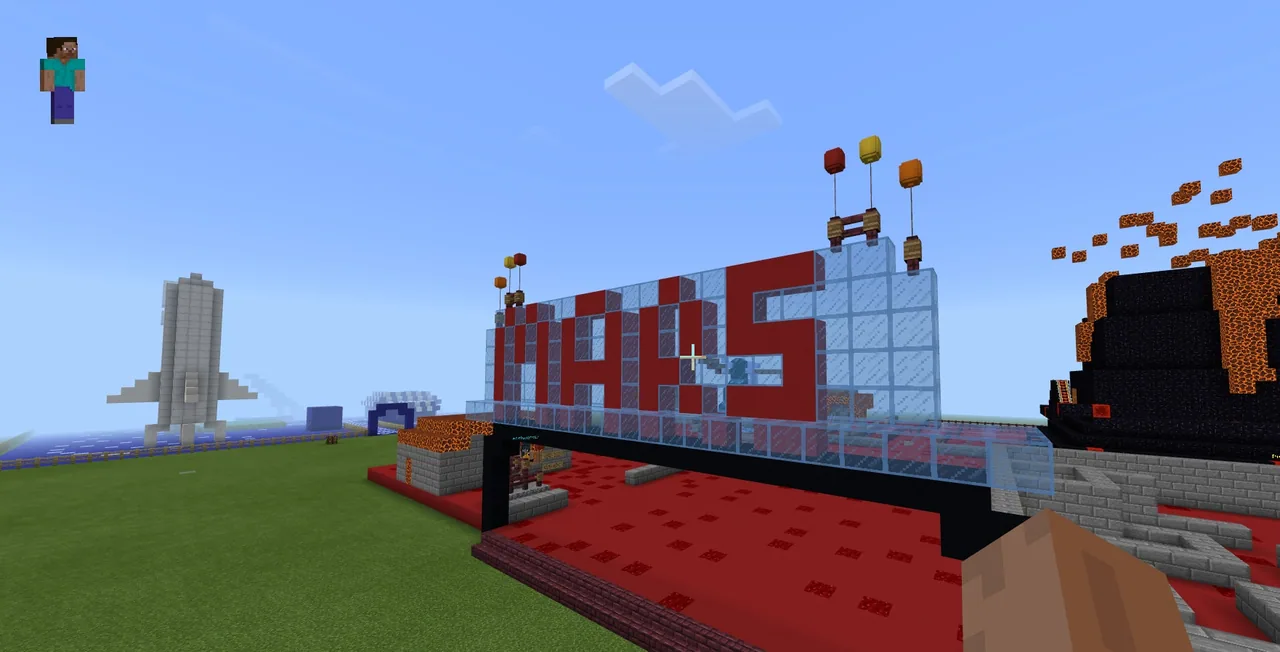
- Type
- Lesson plan
- Includes
- Quiz: 5 questions
How can the unique physical characteristics of a planet inspire the rides, attractions, and guest experiences in a theme park?
Overview
In this cross-curricular science and design project, students investigate the unique characteristics of our solar system's eight planets. By transforming scientific data into creative attractions, learners explore how real-world conditions like atmospheric composition, surface geography, and planetary type can inspire entertaining and educational environments.
Working collaboratively, groups select a specific planet to research through planetary databases. They record distinctive physical traits and map out a themed park containing rides, food venues, and informational exhibits that teach park visitors about their chosen world.
Learning objectives
By the end of this lesson students will be able to:
- Research the specific atmospheric, geographic, and physical traits of a selected planet
- Classify a chosen planet as terrestrial or gas based on scientific information
- Identify key environmental factors that distinguish one planet from the others
- Design theme park attractions, rides, and dining options that accurately reflect planetary features
Blocks and items used in this lesson


Key vocabulary
- Terrestrial Planet
- A planet that has a compact, rocky surface, such as Earth or Mars.
- Gas Planet
- A large planet composed mostly of gases rather than solid rock.
- Atmosphere
- The layer of gases surrounding a planet.
- Geographic Features
- Physical surface formations such as canyons, craters, mountains, or plains.
Before class
Lesson sequence
- Introduction and Brainstorming
Introduce the challenge of building an educational theme park centered on the eight planets. Ask students to consider how environmental conditions such as extreme heat, gas surfaces, or severe storms could shape amusement park rides and snack options.
- Planetary Research
Student groups select one planet to investigate using NASA resources. Have them record essential details including whether the planet is terrestrial or gas, its atmospheric makeup, its surface geography, and its visual colors.
- Theme Park Concept Design
Teams brainstorm specific park elements based on their collected facts. Students plan attractions such as planetary roller coasters, kiddie rides, themed snack bars, and sit-down restaurants that communicate science concepts to visitors.
- Poster Board Mapping
Groups sketch their park layout on a poster board. They label each attraction and include written summaries highlighting their planet's atmosphere, surface features, color scheme, and planetary category.
- Presentation and Review
Teams present their completed park designs to the class. Peers evaluate how clearly each park informs visitors about the scientific realities of the featured planet.
Assessment: success criteria
- Identifies whether the selected planet is classified as terrestrial or gas
- Accurately documents key facts about the planet's atmosphere, geography, and color
- Includes designated park features such as rides, roller coasters, or dining venues based on the planet's traits
- Communicates planetary facts clearly so visitors can learn about the solar system
Differentiation
Provide a guided note-taking template with specific prompts for atmosphere, planet type, color, and geographic features.
Challenge students to integrate multiple distinct zones that contrast planetary features or represent multiple planets in one park.
Knowledge check
5 questions to check understanding after the lesson. Tap an answer to see if it is right; the score appears at the end.
1What is the primary research source recommended for gathering planet facts in this lesson?
Answer: B. The lesson specifically directs students to use the NASA overview site to research their chosen planet.
2Which major category must students determine about their chosen planet during research?
Answer: A. The activity instructions require students to identify if their planet is terrestrial or gas.
3Which set of planetary features must be recorded and included in the design?
Answer: A. The key features specified in the source are atmosphere, terrestrial or gas classification, geographic features, and color.
4On what medium do students create and lay out their theme park design?
Answer: C. The source specifies designing the theme park and its key features on a poster board.
5Which type of park attraction is suggested as part of the student project?
Answer: D. The performance expectations state that the park may include planet themed roller coasters, kiddie rides, restaurants, and snack bars.
Frequently Asked Questions
What materials are needed for students to complete their park layouts?
Students need internet-connected devices to access the NASA solar system overview page, along with poster boards, markers, and drawing tools to map out their park features.
Can students choose any planet in the solar system for their design?
Yes, students can select any of the eight recognized planets in the solar system to research and build their theme park concept around.
How do students show their planetary knowledge through theme park attractions?
Students connect physical facts—such as surface geography, atmospheric conditions, and planetary classification—directly into the names, themes, and structures of their rides and food stands.
Adapted from Space Theme Park by Joe Beasley on Minecraft Education, last updated Jul 12, 2018. This classroom version, the timings and the quiz were written by 9Minecraft Education.